
- FL Licensed & InsuredCGC1530499
- 5.0 on Google123 customer reviews
- 11 yearsInstalling since 2015
- 10,100+Windows & doors installed
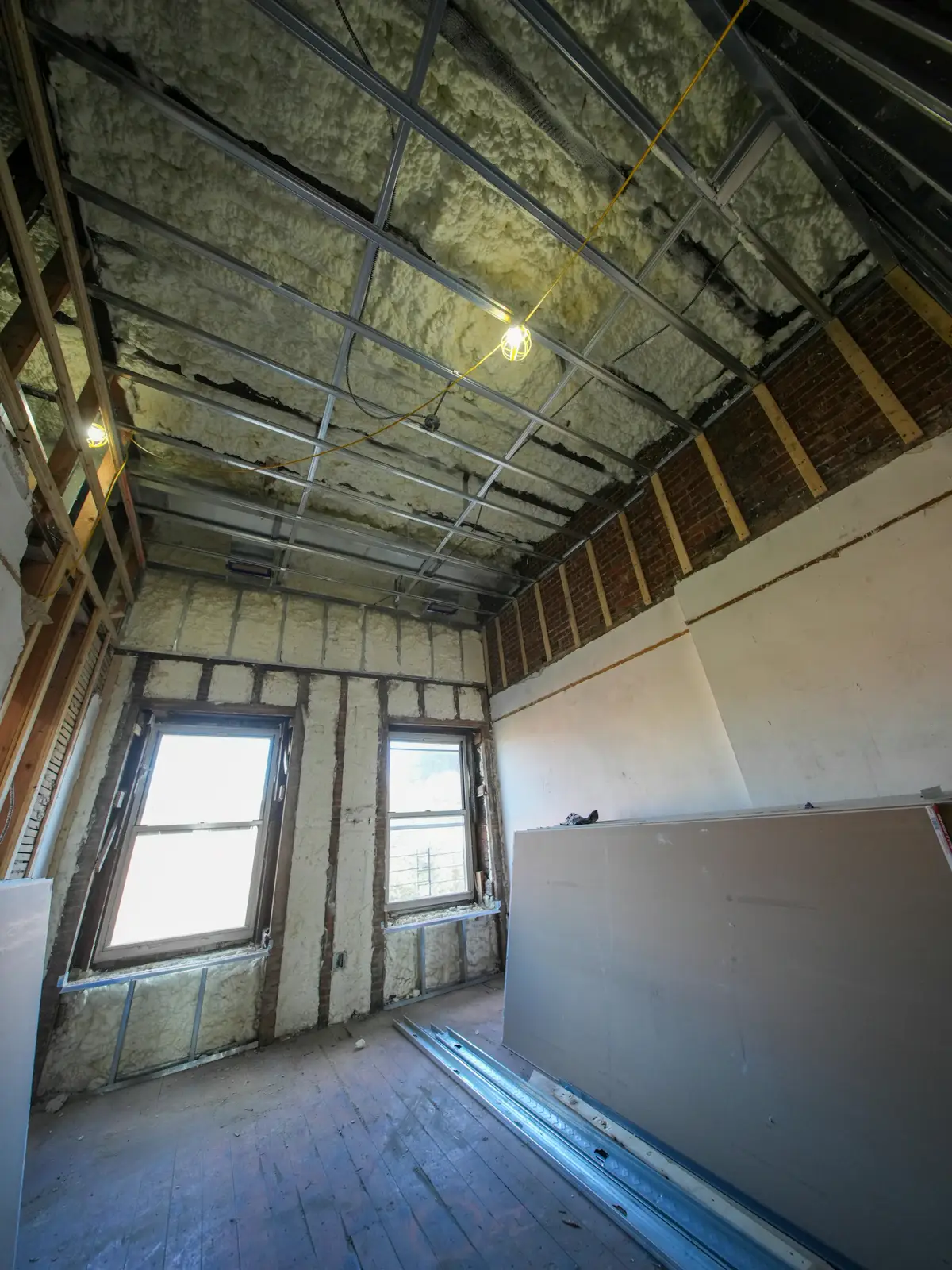
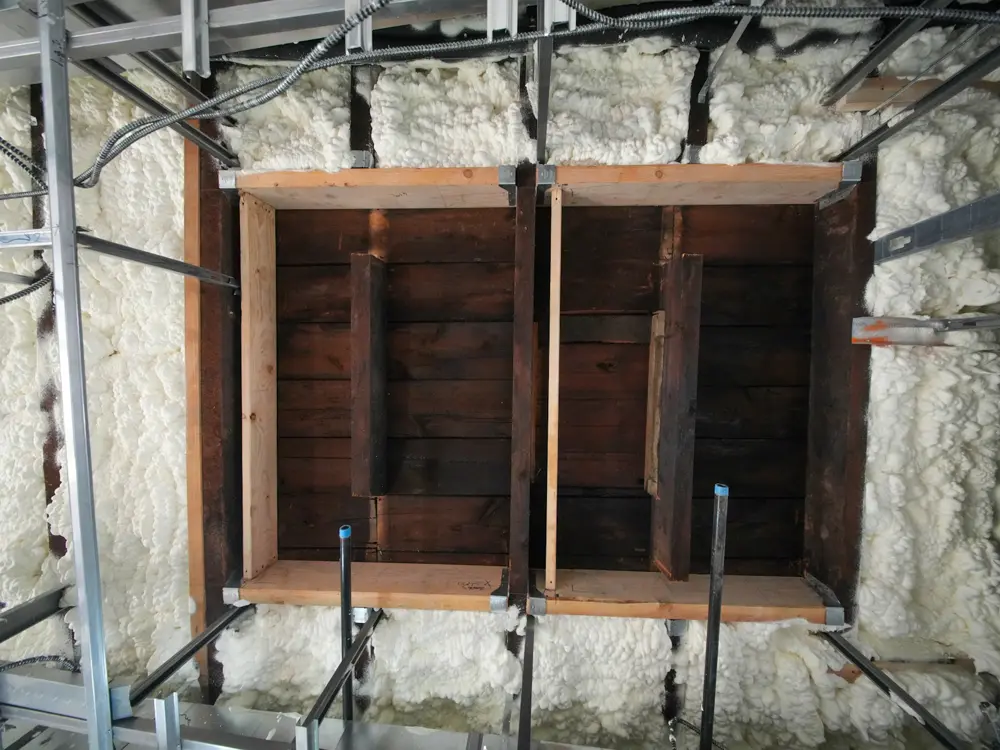
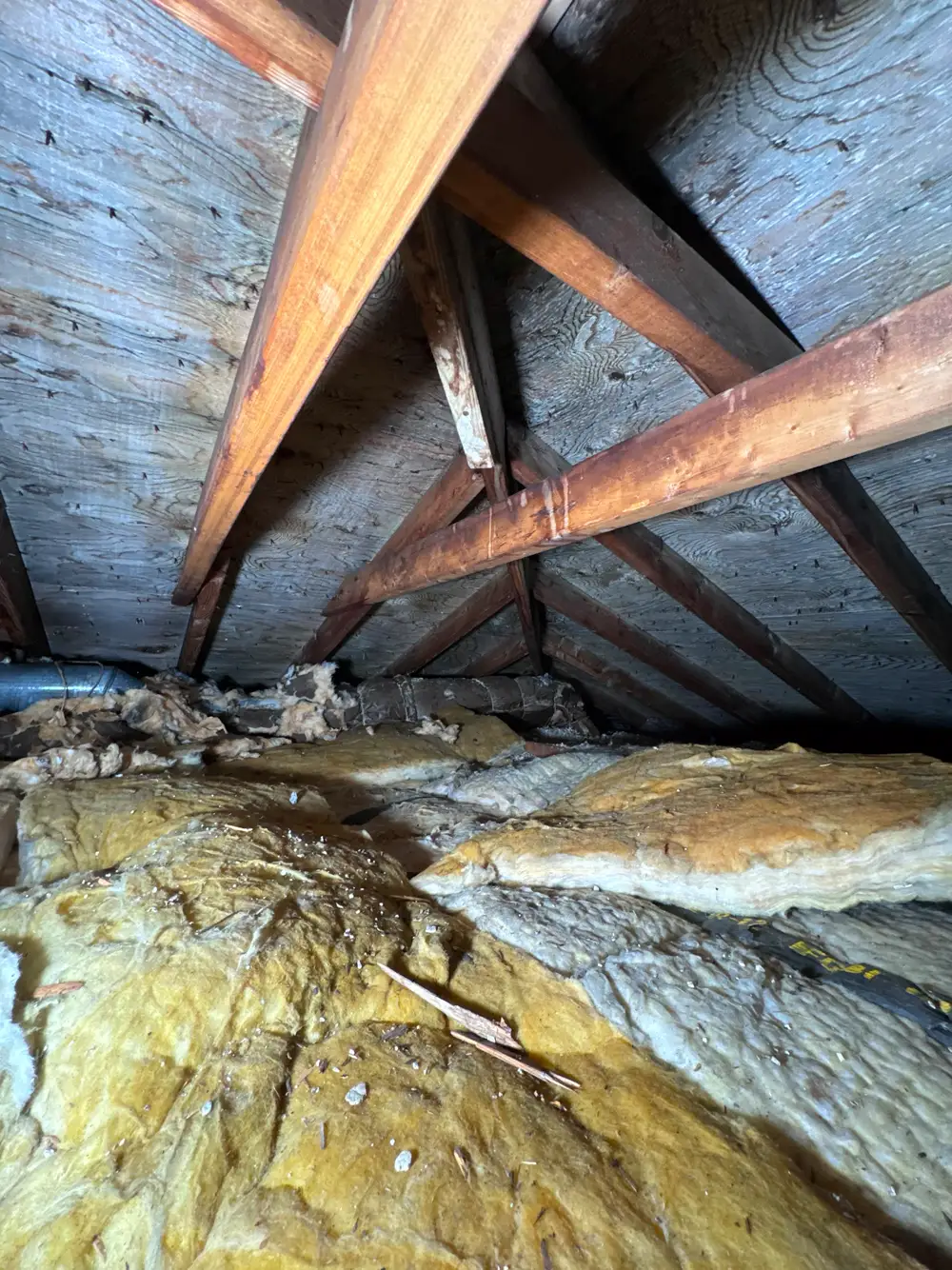
Example photos of the work types — licensed stock images, not ClearView jobs.
In Florida, the heat comes in through the attic
On a summer afternoon the attic is the hottest place in the house, and in most Florida homes the air-conditioning ducts run straight through it. Heat soaks down through the ceiling and into the ducts, so the system runs longer to deliver the same cool air. Thin or settled insulation — very common in older homes — makes that worse every year.
Insulation is the fix that works on the whole house at once. Done properly, with the air leaks sealed first and the vents kept clear, it keeps the upstairs rooms closer to the thermostat and takes load off the air conditioner.
What we install
Two methods. We recommend the one your house actually needs.
Blown-in attic insulation
Loose-fill insulation blown across the attic floor to an even, measured depth — either topping up what is there or bringing an under-insulated attic up to standard. It is the most cost-effective way to cut the heat that comes down through your ceilings.
- Gaps around lights, pipes and the attic hatch sealed first, so the insulation is not just sitting over air leaks
- Baffles at the eaves so the soffit vents stay open and the attic keeps breathing
- Depth markers left in the attic, so you can see what you paid for
Spray foam — roof and walls
Foam sprayed onto the underside of the roof deck or into open wall cavities, where it expands and seals as it insulates. On the roof deck it brings the attic — and the air-conditioning ducts running through it — inside the cooled part of the house.
- Open-cell foam: lighter and lower cost per inch, good at sealing and quieting a roof deck
- Closed-cell foam: denser, a higher R-value per inch, and a moisture barrier
- Walls are foamed where they are open — a remodel, an addition, a garage conversion or new construction
How much insulation does a Florida attic need?
ENERGY STAR recommends between R-30 and R-49 for an uninsulated attic in Miami-Dade, Broward and Monroe, and between R-30 and R-60 across the rest of Florida. Many older homes have far less, because the insulation was thin to begin with or has settled and compacted over the years.
A check you can do from the attic hatch: if you can see the tops of the ceiling joists, there is not enough insulation up there. We measure it properly at the free inspection and put the target depth on your quote.
Spray foam and your insurance inspection
The wind mitigation inspection that sets your insurance credits checks how the roof deck is nailed and how the roof is tied to the walls — from inside the attic. Spray foam on the roof deck covers both. Have that inspection done before the foam goes in and keep the report. As an impact window contractor, we deal with that paperwork every week. How the wind mitigation credit works.
Insulation and impact windows work together
Heat gets into a Florida house in two main ways: down through the attic and in through the glass. Insulation deals with the first; impact windows with Low-E glass deal with the second, and protect the house in a storm as well. If you are planning both, we can quote them together and schedule them as one project. Financing is available on either.
How it works
From the free inspection to a finished attic.
Free attic inspection
We measure the insulation you have, check the ventilation, the ducts and the roof deck, and look for the air leaks that matter.
A fixed written price
One price in writing for the exact material, depth and area — blown-in, spray foam or both — before anything is booked.
Prep and air sealing
Floors and belongings protected, gaps sealed and vents baffled before any insulation goes in.
Installation
Blown or sprayed to the depth on your quote, and checked against the depth markers before we leave.
Clean-up and walkthrough
We show you the finished depth and the markers, and leave the house as we found it.
Book your free attic inspection
Tell us where you are and we will call to set a time.
FAQ — Insulation
Common questions about insulation
Free in-home measurement and a fixed written price.
Call